
50 LGBTQ+ Organizations
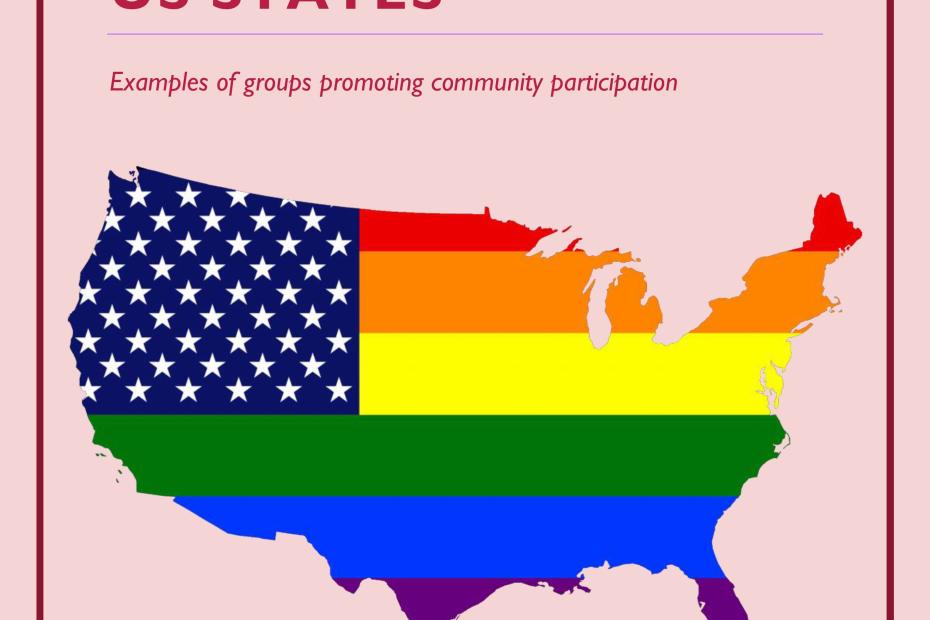
This document describes one LGBTQ+ community organization from each state promoting inclusion through programming and activism. Use this interactive map to explore affirming spaces across the country.
These documents aim to address intersectionality by providing resources and recommendations tailored to specific populations, such as older adults with psychiatric disabilities, LGBTQIA+ individuals, and those facing multiple challenges like mental health and developmental disabilities. They aim to promote community inclusion, address barriers, and advocate for more accessible and culturally competent mental health care across diverse communities.
This document describes one LGBTQ+ community organization from each state promoting inclusion through programming and activism. Use this interactive map to explore affirming spaces across the country.
This document serves as an informational primer for the growing subfield of peer support services for deaf individuals experiencing mental health challenges. Along with providing information about the topic, it also outlines the various benefits afforded to deaf clients by… Read More »Deaf Peer Support: An Overview. An Introduction to a Growing Subfield of Peer Services
This brief community inclusion tool provides tips and resources for older adults with psychiatric disabilities: it reviews a range of common concerns for older adults, including those with both psychiatric and general health concerns, and makes recommendations for locating relevant… Read More »Self-Advocacy for Older Adults: Information and Resources
This fourteen-page document provides a series of strategies for promoting community inclusion and addressing the barriers to greater participation in multiple domains of community life, based on a two-day seminar on community integration at a community mental health center in… Read More »Increasing the Community Presence and Participation of People with MH and DD Disabilities
This document a companion to the Temple/NAMI Guide for LGBTQI Individuals reviews important considerations for service providers and policymakers in assessing and eliminating the barriers faced by individuals in the LGBTQI community who are seeking accessible, effective, and sensitive mental… Read More »LGBTQIA+ Mental Health: Recommendations for Policies and Services
This document provides an overview of the current research into the prejudice and discrimination faced by people with psychiatric disabilities in community settings, and offers recommendations for effective strategies in building more supportive communities.
A statewide task force of GLBTQI individuals in PA developed a series of recommendations to address disparities in the delivery and appropriateness of behavioral health services between GLBTQI and other mental health service consumers and to help ensure a welcoming… Read More »Issues and Access to and Inclusion in Behavioral Health Services for GLBTQI Consumers